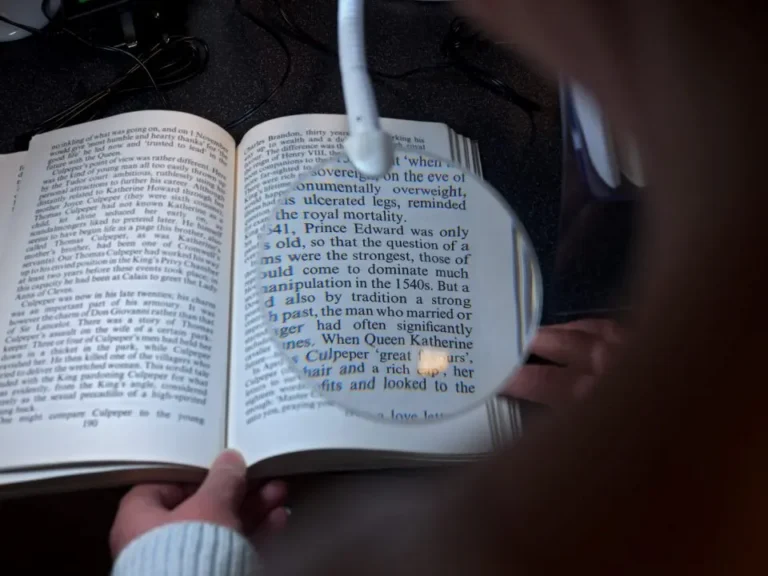
Eye Conditions
Just been diagnosed? Start here. Plain-English guides to common eye conditions and what they mean for your sight.
Read moreChange your text size
Change colour contrast mode
Accessibility help
Just been diagnosed? Start here. Plain-English guides to common eye conditions and what they mean for your sight.
Read moreSomething to do, people to do it with. Activities and support groups across York, all designed around sight loss.
Read moreChange your text size
Change colour contrast mode
Accessibility help
Just been diagnosed? Start here. Plain-English guides to common eye conditions and what they mean for your sight.
Read more
Having your sight loss registered can feel like a big step, but it can open the door to practical and financial support that can help you to stay independent and live well with your sight condition.
If your sight loss reaches certain levels, your eye specialist (Ophthalmologist) will complete a Certificate of Vision Impairment (CVI). The CVI will be sent to your local council who will contact you to invite you to be added to their register. Registration is voluntary and completely confidential. There are two levels of vision impairment that can be certified by an eye specialist:
You have sight loss that has an impact on your everyday life, but you still have some useful vision.
You have high level of sight loss, which may mean you have very little vision or a greatly reduced field of vision.
Your eye specialist will assess your vision and decide which level you meet. Registration is a practical step that can help you get the support you need. Many people find it gives them access to valuable support and resources that help to stay independent and doing the things that matter to them.
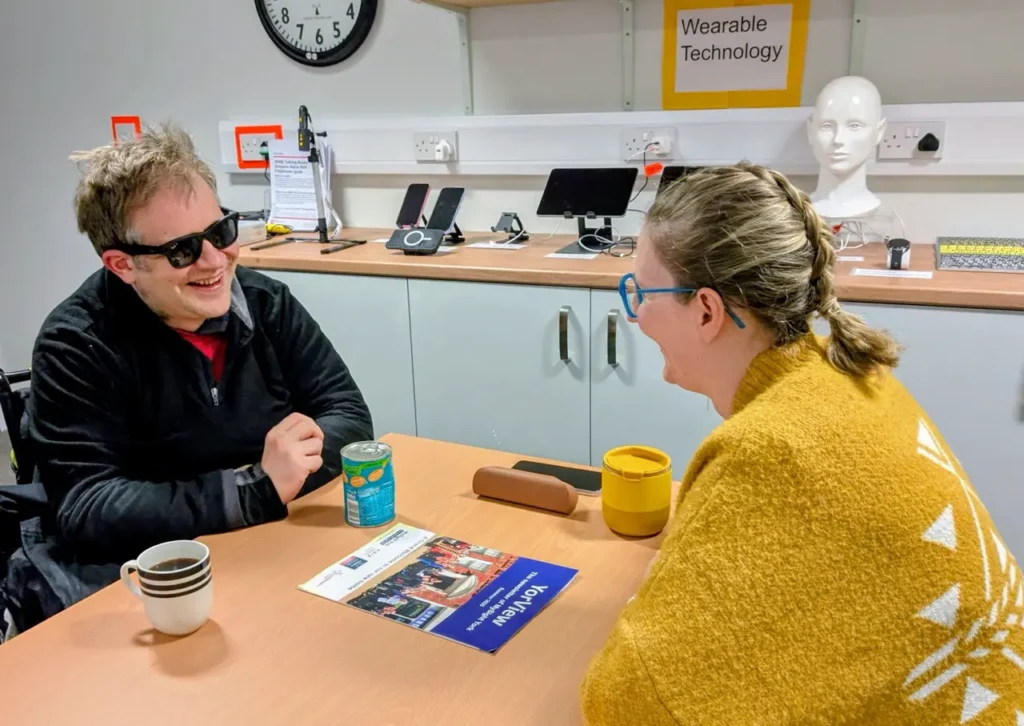
Registration can open the door to services, support and benefits designed to help people with sight loss live independently.
Financial benefits and concessions.
Although being registered does not automatically entitle you to any welfare benefit, it confirms your sight loss and helps as evidence in your claim. The benefits of registration can include:
Visit your GP or optician who will make a referral to a hospital eye clinic.
The Ophthalmologist (eye specialist) will assess the distance and range of your eyesight – known as your visual acuity and field of vision. If they judge that your sight is at the right level they will complete a Certificate of Vision Impairment or CVI. Only a Consultant Ophthalmologist (eye specialist) can decide if your sight is at the right level to qualify.
In York Hospital’s eye clinic the eye specialist will refer you to Helen Flett, Mysight York’s Eye Care Liaison Officer (ECLO). Helen will complete your CVI and support you through the registration process, making you aware of the support and services available to you.
A copy of the CVI is sent to your local Social Service team who will ask if you wish to be included on the register.
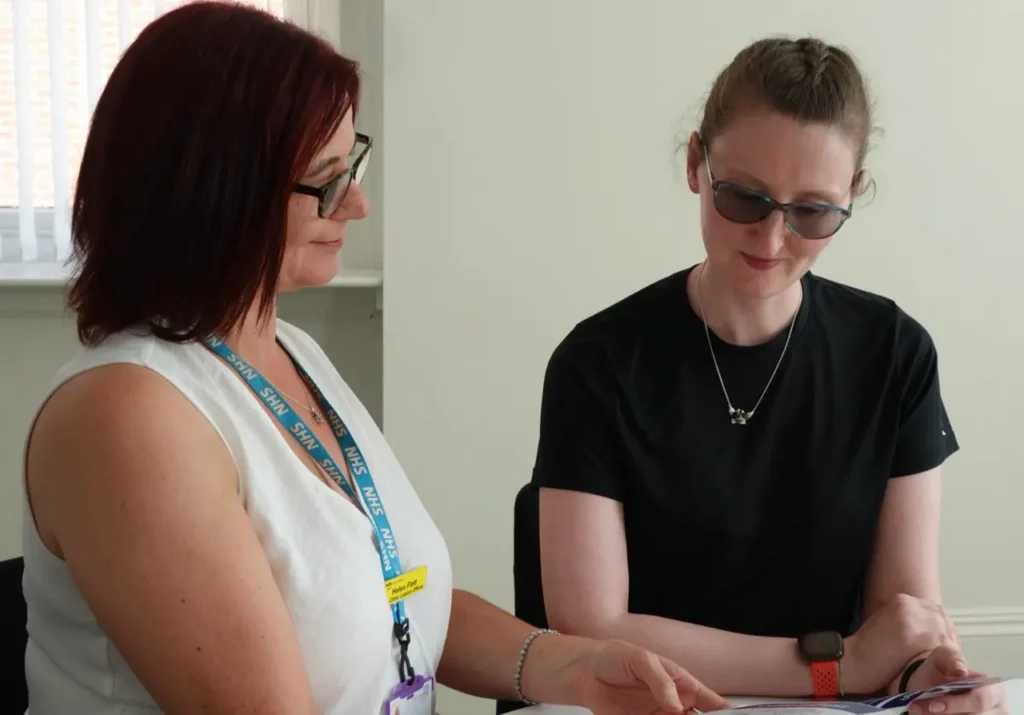
If you are eligible for a Certificate of Vision Impairment (CVI), you will have the opportunity to discuss your options with Helen Flett (ECLO). There is no pressure to decide straight away, and you can take time to think about registration before deciding what is right for you.
If you decide to complete the CVI it will be sent to your council. Someone will contact you to be added to their registers of people who are visually impaired. Again, there is no pressure to decide straight away. You can take time to consider your options and register later if you wish.