Eye Conditions
Just been diagnosed? Start here. Plain-English guides to common eye conditions and what they mean for your sight.
Read moreChange your text size
Change colour contrast mode
Accessibility help
Just been diagnosed? Start here. Plain-English guides to common eye conditions and what they mean for your sight.
Read moreSomething to do, people to do it with. Activities and support groups across York, all designed around sight loss.
Read moreChange your text size
Change colour contrast mode
Accessibility help
Just been diagnosed? Start here. Plain-English guides to common eye conditions and what they mean for your sight.
Read more
Changes in your eyesight, or that of a relative, can sometimes be difficult to manage and can impact on your health & well-being.
Counselling offers a safe, confidential space to talk openly about any emotional difficulties you may be experiencing in a confidential and supportive environment with a professional who will listen without judgement.
The Talking Space Service is available free of charge to anyone affected by sight loss
Taking the first step can feel daunting, but you do not need to have the right words or all the answers. To help, we offer you the opportunity to have an informal meeting with the counsellor. They will discuss your reasons for seeking counselling and will help you to explore whether counselling is right for you. Counselling could be right if:
If something is on your mind, that’s reason enough to get in touch.
Get in touchOur Talking Space service offers one-to-one counselling for people living with sight loss, as well as family members and friends. You are the expert on your own life, and your counsellor is there to listen and support you.
We offer up to eight sessions with a qualified counsellor or trainee counsellor. The number of sessions maybe extended if you and your counsellor decide this would be beneficial.
Sessions take place in private confidential settings at MySight York or an alternative venue in York. Alternative ways of accessing the service can be discussed on an individual basis.
Reach out to our team. Ask questions, find out more about the service, or arrange an initial appointment.
To ensure that we are the right service for you will be offered an initial meeting to meet with the counsellor. They will ensure that the Talking Space service is right for you and agree your starting date and time.
After agreeing your start date and time you will meet with them on the same day at the same time each week.
Each counselling session will last for 50 minutes. Sessions are shaped around you.
Any breaks such as holidays or other commitment such as hospital appointment will be shared with each other to ensure that the dates you are not available are known and planned for.
• One-to-one counselling sessions
• Available to people with sight loss, and their family or friends
• Sessions are shaped around you
• We’ll talk you through session format, frequency, and availability when you get in touch
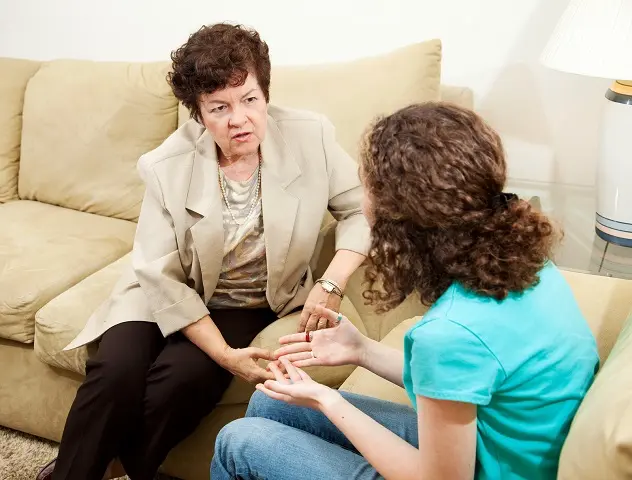
Confidentiality within the Talking Space Service at MySight York
Your counselling sessions are private and confidential. Although there are exceptions when a counsellor has a legal and ethical duty of care to the client in line with British Association for Counselling (BACP) guidelines.
We know trust takes time, and your counsellor will always be open about how your information is handled.
This is your space to talk freely, without judgement or expectations.

Urgent support
MySight York Talking Space service is not a crisis service. If you, a family member or friend are in crisis, or need urgent or emergency these are the organisations we recommend you contact.
Immediate danger Call 999 or go to your nearest emergency department.
24/7 Crisis support:
Local Support North Yorkshire
If counselling feels like the right next step, or you would like to learn more, please get in touch.
Still not sure counselling is right for you?
Get in touch, and we can talk through your options together.
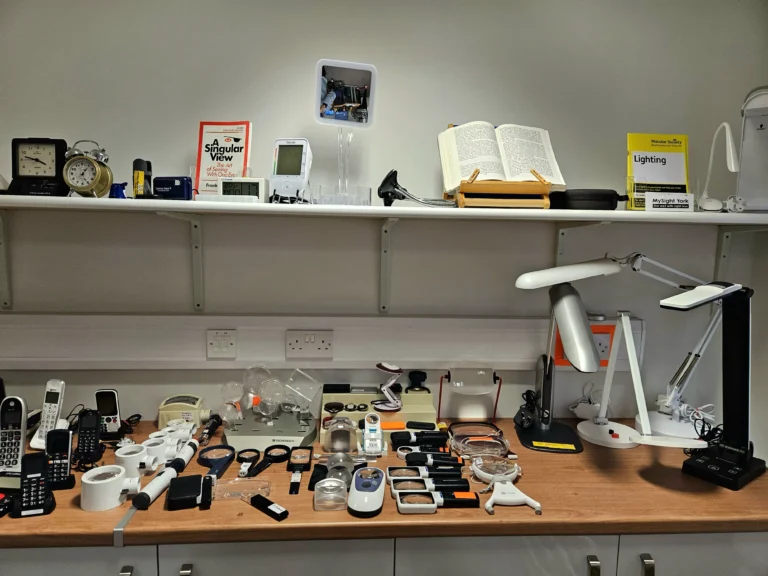
Try out equipment and get practical advice to manage the everyday challenges of life with sight loss.
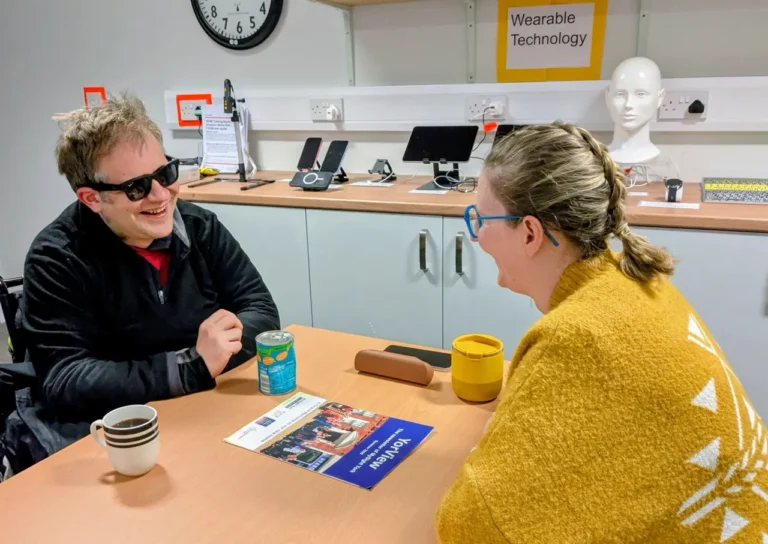
Build your confidence with assistive technologies, stay connected with the digital world and learn new skills.
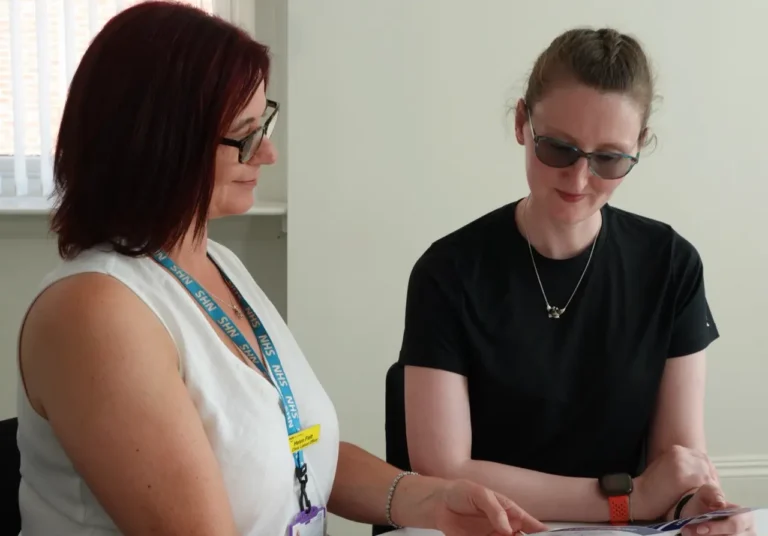
Get practical and emotional support after a diagnosis of sight loss.