Eye Conditions
Just been diagnosed? Start here. Plain-English guides to common eye conditions and what they mean for your sight.
Read moreChange your text size
Change colour contrast mode
Accessibility help
Just been diagnosed? Start here. Plain-English guides to common eye conditions and what they mean for your sight.
Read moreSomething to do, people to do it with. Activities and support groups across York, all designed around sight loss.
Read moreChange your text size
Change colour contrast mode
Accessibility help
Just been diagnosed? Start here. Plain-English guides to common eye conditions and what they mean for your sight.
Read more
Sight loss can be caused by a variety of conditions, with different causes and effects. We have not included every condition here and you may not have a formal diagnosis, but if you are struggling with your sight, we can help.
If you are worried about a change in your sight, please contact your eye care professional.
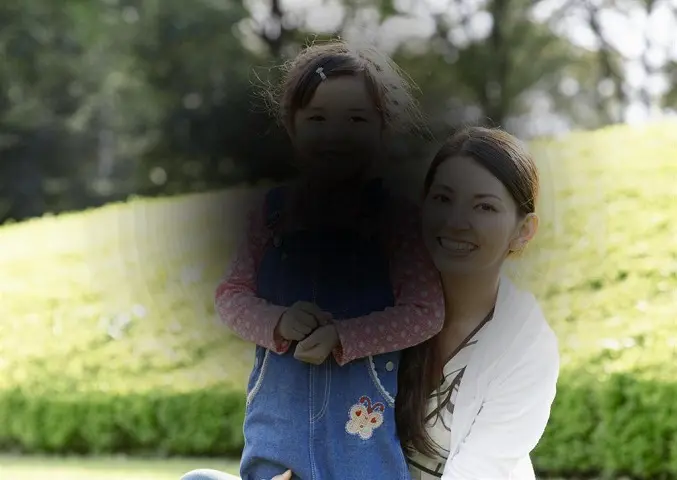
Age-related macular degeneration (AMD) usually affects people over 60, but can occur earlier. It is the most common cause of sight loss in the developed world.
There are two types of AMD:
Dry AMD causes a gradual deterioration of the macula (the central part of your retina), as the retinal cells die off and are not regenerated. This usually occurs over many years. Around 10 to 15% of people with dry AMD go on to develop wet AMD.
Wet AMD causes abnormal blood vessels to grow into the macula and leak blood or fluid. This leads to scarring of the macula and rapid loss of central vision.
You should see your optometrist immediately if you notice a distortion or “bend” in your vision or your vision become blurry with gaps or dark spots.
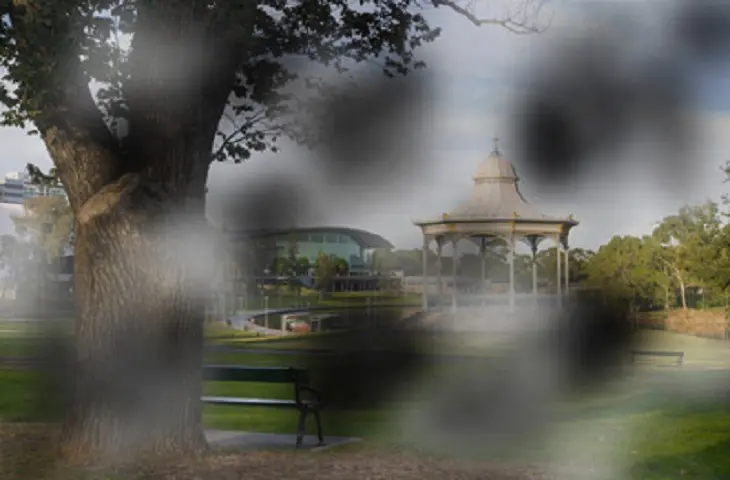
Cataracts cause the lens in the eye to become misty or cloudy over time. Cataracts are a very common condition and in many cases a straightforward operation can remove the misty lens.
Cataracts usually develop slowly. In most cases, people will develop the condition in both eyes, although one may be affected sooner than the other. If your sight becomes misty and unclear or you feel something is “not quite right” in your eye then seek help.
Surgery for cataracts is commonplace. It involves removal of the ‘misty’ lens and replacement with an artificial lens implant. Cataract surgery can be performed at any time and is available free of charge on the NHS.
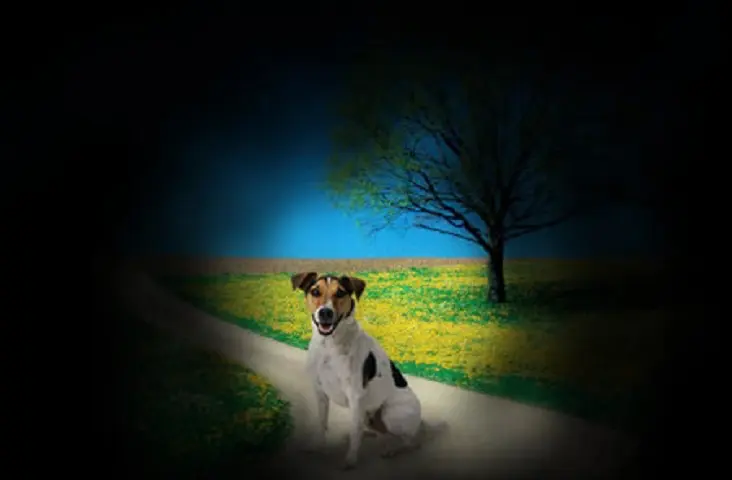
Glaucoma is the name given to a group of eye conditions that cause damage to the optic nerve as a result of increased pressure in the eye or weakness in the nerve. The sight loss caused by glaucoma is permanent, and while treatment can’t restore any sight loss, it can prevent it from happening. Glaucoma has very few if any symptoms, so it is very important to have your eyes checked regularly.
Glaucoma affects vision at the side (peripheral vision) first.
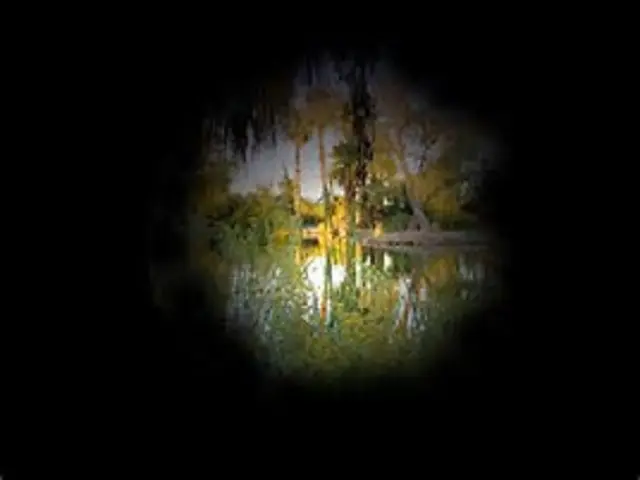
Retinitis pigmentosa (RP) is the name given to a diverse group of inherited eye disorders. These eye conditions affect a part of your eye called the retina.
RP causes permanent changes to your vision, but how much and how quickly can vary greatly from person to person. These retinal changes can affect your side vision, which makes it harder for you to see in dim light or the dark, and central vision, which causes difficulty with detailed activities such as reading or watching television.
If you have RP, sight loss is gradual and usually progresses over a period of many years. Some people with RP might become blind but most people with RP keep some useful vision well into old age. Currently, there is no known cure or treatment for RP or associated retinal disorders. Many research groups around the world are working on different aspects of the condition with the aim of developing treatments.
A retinal detachment is, in many cases, a medical emergency and needs to be assessed as soon as possible so that your ophthalmologist (eye doctor) is able to make decisions about any treatment you may need.
Retinal detachment occurs when the retina separates from the back of the inside of the eye, rather like wallpaper peeling off a damp wall. The retina needs to be attached to the back of the eye to survive and work properly, so if a retinal detachment is not detected and treated quickly it may result in the loss of some or all of your vision.
Seek help immediately if you suffer from a recent onset of “floaters” in the eye, if you experience flashing lights, dark shadows or a sudden blurring of your vision.
Charles Bonnet syndrome (CBS) is a common condition among people who have lost their sight. It causes people who have lost a lot of vision to see things that aren’t really there, known as visual hallucinations. People who have CBS may have lost a lot of their vision from another eye condition.
The visual hallucinations caused by CBS range from simple shapes and dots of colours, simple patterns, straight lines or a network of branches, to detailed pictures of people, animals, insects, landscapes and buildings.
Currently there is no medical cure for CBS. When you experience CBS, the most effective form of treatment can come from knowing that the condition is not a mental health problem or a symptom of another disease but is due to sight loss. Knowing that CBS usually improves with time (even if it doesn’t go away completely) may also help you cope with the hallucinations.
A stroke or cerebral vascular accident (CVA) can commonly affect your vision, depending on what part of your brain is affected.
The main types of eye problems after a stroke can include visual field loss, eye movement problems and visual processing problems.
Diabetes is a condition where your body is not able to use glucose properly. Over time diabetes can affect blood vessels supplying the retina at the back of the eye, changing how well the retina works. How your vision is affected will depend on the severity of the changes to the blood vessels and the area of the retina involved.
Having your eyes checked regularly and attending diabetic eye screening can pick up any changes. Your GP should arrange for you to have your first diabetic eye screening.
Understanding a diagnosis takes time, and it’s normal to have questions. Whether you want to talk something through or find out how we could support you, we’re here.
Call us on 01904 636269, email hello@mysightyork.org, or visit our Equipment and Information Centre on Walmgate. You don’t need a referral, and there’s no cost to talk to us.
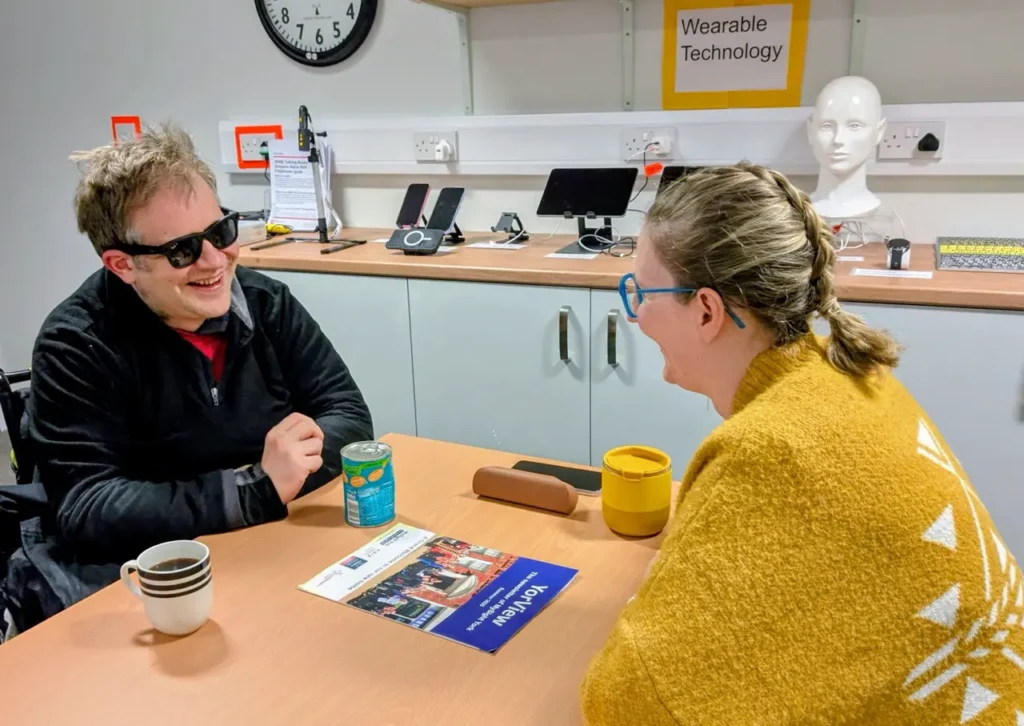
We offer practical and emotional support for people living with sight loss in York — from equipment and accessible technology to befriending, counselling and activity groups. Have a look through our services and find what suits you.
Moorfields Eye Hospital has detailed information about a wide range of eye conditions.
The RNIB website features an alphabetic list of eye conditions as well as details around causes and treatment.
The DVLA website helps you check if your eye condition affects your driving, and whether you need to inform the DVLA about your condition.
This short film, from Thomas Pocklington Trust, also gives a useful summary of the main conditions that cause sight loss.